Short link: https://short.pageviewpro.com/CArcs6
Advanced kidney disease can sometimes be associated with changes in skin tone or pigmentation.
The skin may appear:
* Duller
* Grayish
* Darker in some areas
These changes are nonspecific and can result from many other conditions.
## The Most Important Fact: Kidney Disease Can Be Silent
This is the part that matters most.
A person can have chronic kidney disease without any of these 23 symptoms.
That is why relying on appearance or symptoms alone is not enough.
Kidney disease is usually detected with:
* A blood test for creatinine and estimated glomerular filtration rate (eGFR)
* A urine test for albumin or other protein
These tests can identify problems before obvious symptoms appear.
## Who Should Pay Extra Attention?
Testing becomes especially important for people with:
* Diabetes
* High blood pressure
* Cardiovascular disease
* Family history of kidney failure
* Older age
* Previous kidney problems
Diabetes and hypertension are among the most important causes of chronic kidney disease.
## When to Seek Medical Advice
Consider getting checked if you develop persistent:
* Swelling
* Foamy urine
* Blood in the urine
* Changes in urination
* Severe fatigue
* Unexplained itching
* Loss of appetite
* Nausea
* Difficult-to-control blood pressure
## When Is It More Urgent?
Seek prompt or emergency care for:
* Very little or no urine
* Severe shortness of breath
* Rapidly worsening swelling
* Severe weakness or confusion
* Blood in the urine with significant pain
* Severe flank pain with fever
* Persistent vomiting and inability to keep fluids down
## Can Drinking More Water “Clean” Your Kidneys?
Not necessarily.
Adequate hydration is important, but drinking huge amounts of water does not reverse chronic kidney disease.
People with advanced kidney or heart disease may actually need individualized fluid limits.
## What About Kidney Detoxes?
Herbal teas, powders, and “kidney cleanse” products are not proven to repair damaged kidneys.
Some supplements can even worsen kidney function or interact with medications.
If kidney disease is suspected, proper testing is much more useful than a detox.
## The Bottom Line
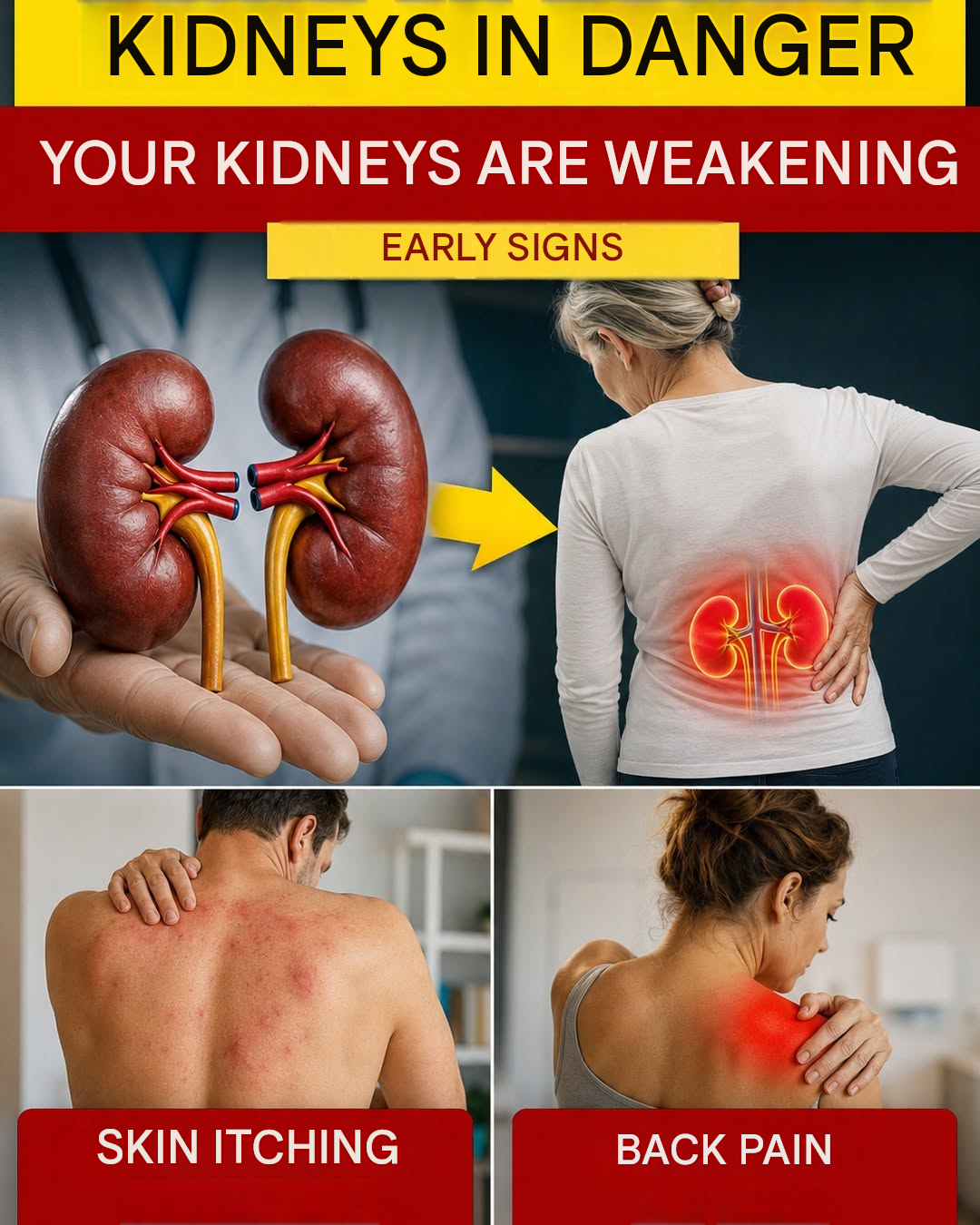
Possible kidney-related warning signs can include **swelling, foamy urine, blood in the urine, urinary changes, itching, dry skin, fatigue, appetite loss, cramps, nausea, shortness of breath, and difficult-to-control blood pressure**.
But none of these symptoms proves kidney disease.
The most important message is that **kidney problems can remain silent for a long time**. If you have diabetes, high blood pressure, or several persistent symptoms, blood and urine tests are the best way to find out how your kidneys are actually functioning.