Short link: https://short.pageviewpro.com/GeixGk
Some treatments for ischemic stroke work best when given as quickly as possible. Eligible patients may receive clot-dissolving treatment within a limited treatment window, while certain patients with large-vessel blockages may be candidates for mechanical clot removal.
That is why waiting to “see if it gets better” can cost valuable treatment time.
Who Has a Higher Risk of Stroke?
Important risk factors include:
high blood pressure
diabetes
atrial fibrillation
cardiovascular disease
smoking
previous TIA or stroke
increasing age
Managing modifiable risk factors can substantially reduce stroke risk.
The Bottom Line
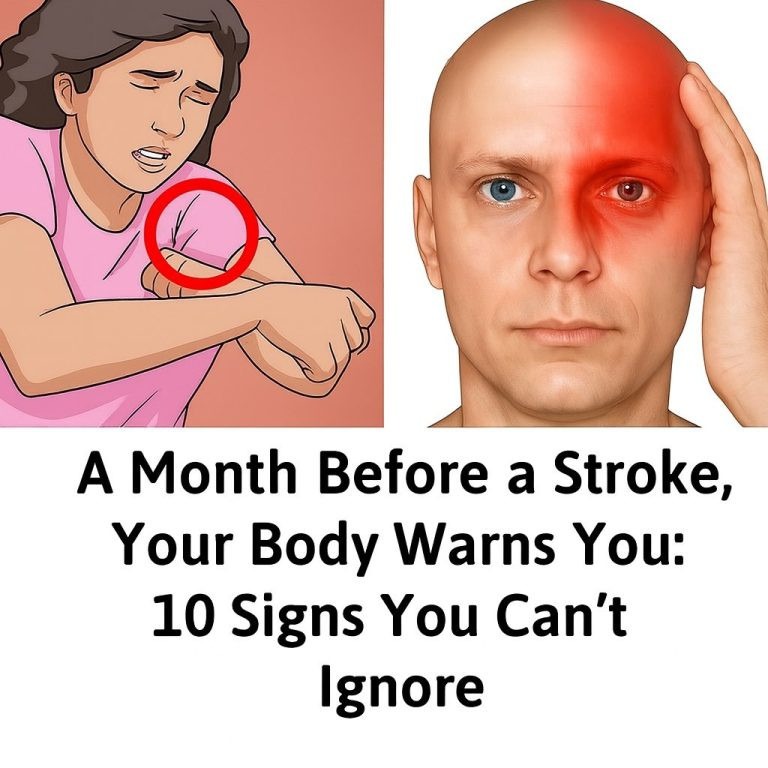
There is no reliable rule that your body will warn you exactly one month before a stroke.
The meaningful warning event is sometimes a TIA, and its symptoms can be brief enough to disappear before someone seeks help. That is precisely why sudden facial drooping, arm weakness, speech problems, vision changes, severe imbalance, or similar neurological symptoms should never be ignored.
If stroke symptoms appear, seek emergency medical care immediately—even if they disappear completely.