Short link: https://short.pageviewpro.com/L1xood
* Veins have suddenly become much more prominent without explanation
* Varicose veins are increasingly painful
* Your legs frequently swell
* You have recurring tenderness over a vein
* Skin around veins is becoming darker or irritated
* Symptoms interfere with walking or everyday activities
A clinician may examine the veins and, if necessary, order an ultrasound to evaluate blood flow.
## When Should You Seek Urgent Care?
Seek prompt medical attention for:
* Sudden one-sided leg or arm swelling
* Significant pain and warmth
* A red, hard, tender vein
* Rapidly increasing swelling
* Major skin-color changes
Seek **emergency care** for:
* Sudden shortness of breath
* Chest pain
* Coughing up blood
* Fainting
* Severe breathing difficulty
## Can You Prevent Visible Veins?
Normal visible veins usually do not need prevention.
For general vein health, useful habits include:
* Staying physically active
* Avoiding prolonged sitting when possible
* Moving your legs during long journeys
* Maintaining a comfortable body weight
* Avoiding smoking
* Following medical advice after surgery
* Wearing compression stockings when specifically recommended
## The Bottom Line
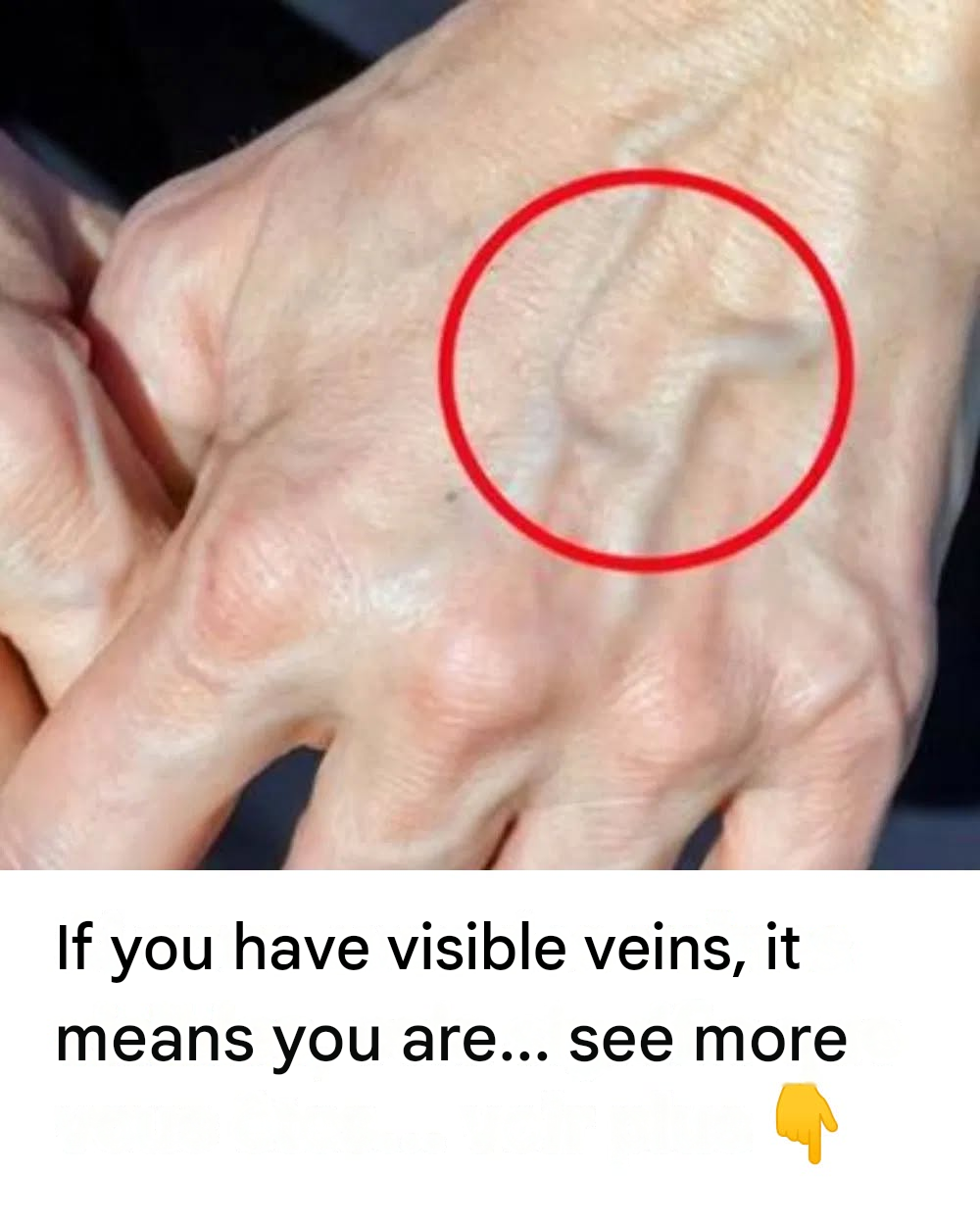
Visible veins are usually harmless, especially when they appear gradually because of **aging, exercise, heat, genetics, weight loss, or naturally thin skin**.
The signs that deserve more attention are a **sudden change accompanied by pain, redness, warmth, hardness, one-sided swelling, significant discoloration, or breathing symptoms**.
A vein that simply becomes more visible is usually not an emergency.
A vein that suddenly becomes **painful, swollen, hot, hard, or associated with chest pain or shortness of breath** is a very different situation and should be medically assessed promptly.