Short link: https://short.pageviewpro.com/YWNPaR
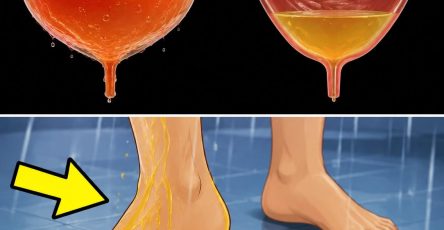
Picture this: You roll out of bed, ready to conquer the day, but your favorite kicks suddenly feel like they’ve shrunk overnight. You glance in the mirror, and BAM! Your face looks like you just went twelve rounds, and a dull headache is playing a sneaky game in the background. Yeah, it’s subtle—easy to shrug off, maybe even a bit embarrassing to bring up. You probably think, “Must be getting old,” or “Didn’t catch enough Z’s.” But hold up, because here’s the brutally honest truth bomb: your daily meds could be pulling a fast one on you. And the real kicker? Most folks deal with this crap for months, totally clueless about the real culprit, until simple shifts in their routine start spilling the beans.
What Is Amlodipine and Why Should You Pay Attention?
Alright, let’s cut to the chase: What the heck is Amlodipine, and why should you even give a damn? Look, this drug is a heavyweight champion, prescribed left and right to keep your blood pressure in check and give your ticker some love. It’s basically a smooth operator, chilling out your blood vessels so your blood can flow like a boss. Sounds like a win-win, right? And yeah, it is. BUT – and this is a BIG ‘but’ – when those blood vessels kick back, your whole internal setup – we’re talking fluid balance, circulation, well, even nerve signals – can start doing a little dance. For some lucky few, it’s no biggie. But for others, these shifts start showing up as sneaky symptoms, quietly messing with your daily grind. And get this: the docs are seeing it all the time, especially with the over-60 crowd, where folks are just shrugging off these effects as ‘part of getting old,’ instead of realizing it’s their meds. That, my friend, is precisely why you NEED to wake up and pay attention.
1 Swollen Ankles and Feet